My PESO Launch Playbook: How I Promote a Blog Post + Run a Simple A/B Test
I’m building this site as a marketing portfolio—a place where recruiters can see how I think and work. Publishing a post is easy; the real skill is turning it into a measurable launch. This article shows the exact framework I use to plan distribution, run a simple A/B test, and capture learnings I can apply to the next campaign.

What this demonstrates (Recruiter lens)
1
Strategic thinking: clear objectives
2
Measurement: tracking traffic and clicks
3
Execution: tailored channel-specific assets
4
Optimization: adjusting tactics based on results

Step 1: Define the objective in one sentence
Before I post anywhere, I write:
“I want [target audience] to do [one action] after reading.”
For example: I want recruiters and peers to understand my marketing approach and click into my About page to learn my background.
Step 2: Turn the post into one message + three proof points
To avoid repeating myself across channels, I translate the post into: One core message (the headline idea)
Three proof points (what’s inside: a checklist, a template, a mini-case, a metric)
This makes it easy to write multiple captions that feel fresh while staying consistent.
Step 3: Plan PESO distribution (minimum 4 touches)
I use PESO—Paid, Earned, Shared, Owned—as a checklist so I don’t rely on one channel.
Owned (channels I control):
1. Optimize the post structure (clear headings, scannable bullets, and a CTA).
2. Add internal links to key pages (About/Contact) so traffic can convert into interest. 3. Feature the post on my Home page for visibility.
Shared (organic social):
1. LinkedIn post with a “recruiter lens” angle (what the post demonstrates).
2. Instagram Story with a “3 takeaways” angle and a link to read.
Earned (amplification from others):
1. Ask 2–3 classmates/peers to share if useful.
2. Share once in a relevant student/community channel with a question to invite replies.
Paid (small budget, clean comparison):
Boost one variant (even $5–$15) to compare paid vs. organic performance.

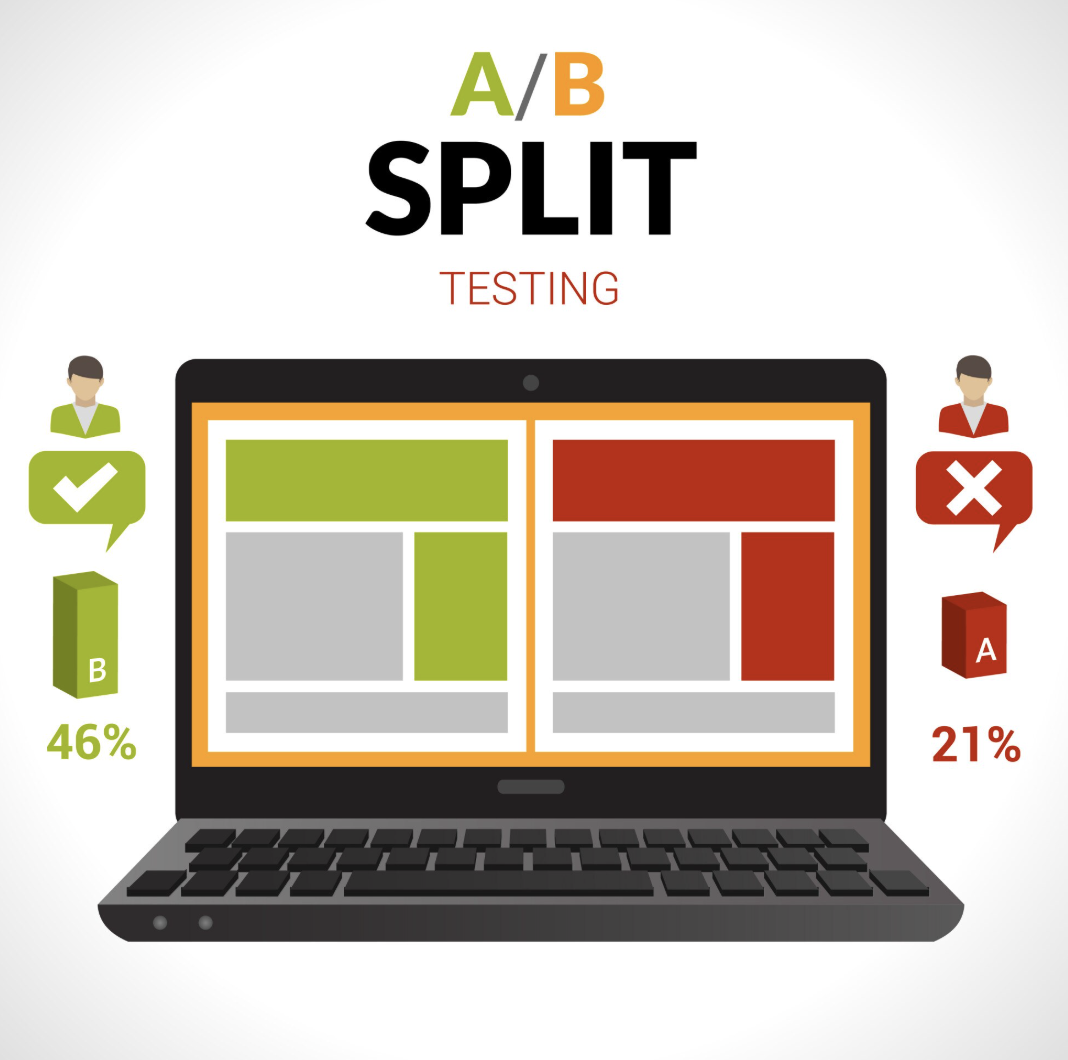
Test and Learn — Running a Simple A/B Experiment
Step 4: Run one simple A/B test (one variable only)
To learn quickly, I test one variable at a time, such as: 1. Caption A (story + context) vs. Caption B (bullet takeaways)
2. Image A (clean graphic) vs. Image B (photo)
3. Time A (midday) vs. Time B (evening)
I’ll judge the winner by clicks (or CTR), saves, and traffic quality.
Turning Metrics into Marketing Insights
Step 5: Track metrics and convert results into learnings
For each post, I track:
1. WordPress views/visitors and top traffic sources
2. Social impressions, clicks, and engagement rate
3. Which A/B variant drove more clicks and longer time-on-page
The goal isn’t “going viral.” It’s building repeatable process—and showing I can connect strategy, execution, and measurement. If you want to learn more about who I am and what I’m building, visit my About page or reach me.
For reference, here are two resources I use when planning: the PESO framework and A/B testing basics.
This is such a strong and well-structured framework! It clearly broke down storytelling into actionable steps that are easy to…
Thank you for sharing such an insightful post! these models and marketing tools truly serve as a valuable handbook for…
This is a beautifully written and insightful blog, with a strong, distinctive voice and thoughtful perspectives that make the content…
I really liked how you showed that strong storytelling in marketing needs structure, not just creativity. The Hook–Proof–Value–CTA framework was…
I especially like how you emphasized clarity over cleverness in the hook. That’s something many marketers underestimate, but it really…


 MarMar | Marketing & Personal Brand Blog
Leave a comment